
Alexander & Sons Blog
How to Prepare for a Driveway Installation: A Homeowner's Guide
Quick answer: Preparing for a driveway installation involves five key steps: confirming permits with your city, clearing vehicles and valuables from the area, arranging alternative parking for 3 to 7 days, communicating with neighbors, and protecting nearby landscaping and utilities. Most South Bay homeowners can prepare in a single weekend, but planning two weeks ahead leads to a smoother project.
If you’re replacing or installing a driveway in San Jose, Campbell, Sunnyvale, or anywhere in the South Bay, a little preparation goes a long way. The right prep work saves time, prevents avoidable costs, and helps your contractor finish the job faster — which means you’re back to parking in your own driveway sooner. This guide walks through everything Bay Area homeowners should do before installation day.
How long does a driveway installation take?
Most residential driveway installations take 3 to 7 days from demo to drive-ready, depending on material and weather. Here’s a typical breakdown:
- Concrete driveway: 3 to 5 days of work, plus 5 to 7 additional days of curing before you can park on it
- Paver driveway: 3 to 7 days, ready to use almost immediately after completion
- Stamped concrete: 4 to 6 days of work, with a similar curing period to standard concrete
Weather can extend timelines. While the South Bay climate is forgiving most of the year, winter rain (December through March) is the most common cause of delays. Scheduling spring through fall typically results in faster, more predictable timelines.
Step 1: Confirm permits and HOA approval
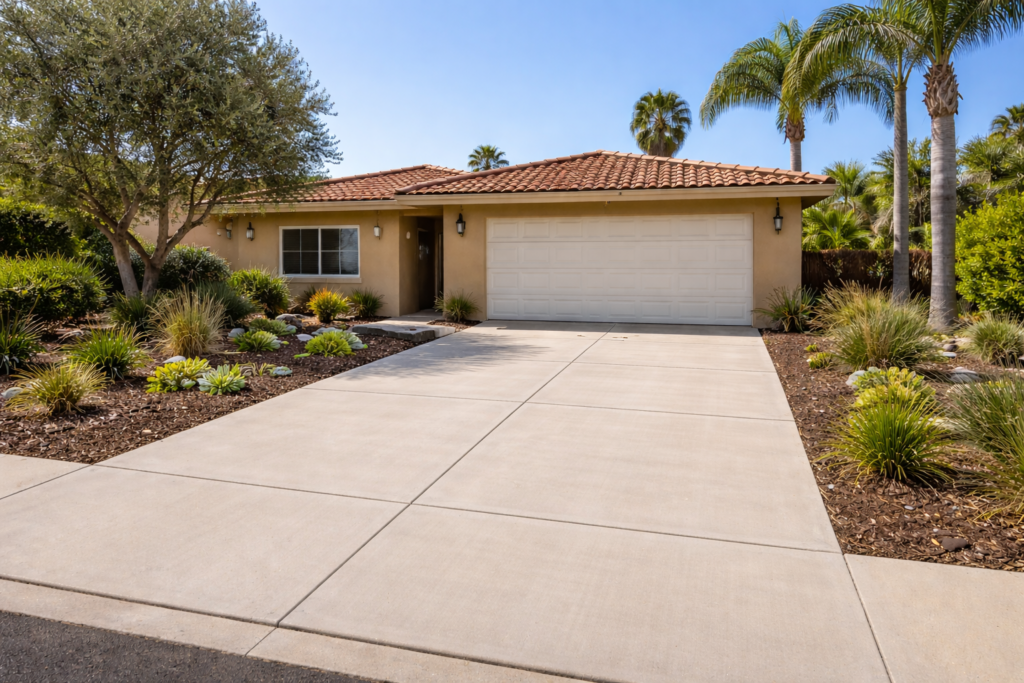
Before any work begins, make sure the legal side is handled. In most South Bay cities, driveway replacement on your own property usually does not require a permit if you’re keeping the same footprint. However, you generally need a permit when:
- Expanding the driveway’s size or footprint
- Changing the curb cut or apron (the section connecting your driveway to the street)
- Altering drainage in a way that affects the public right-of-way
- Working in a historic district or on a property with specific overlay zoning
The City of San Jose, Town of Los Gatos, and City of Campbell each have their own permit processes, and timelines range from a few days to several weeks. A reputable contractor will handle permits on your behalf, but it’s worth confirming this in writing before the project starts.
If you live in a community with an HOA, check your CC&Rs (Covenants, Conditions, and Restrictions) for material, color, and design rules. Many South Bay HOAs require approval before driveway changes, and getting caught after the fact can mean tearing out brand-new work.
Step 2: Plan alternative parking
This is the step homeowners most often underestimate. Once demolition starts, your driveway is unusable until the project is complete — and for poured concrete, for several days after.
Plan ahead by:
- Identifying street parking that’s legal and close to your home
- Asking neighbors if you can use a portion of their driveway temporarily
- Coordinating with anyone in your household who shares the driveway, including teenage drivers
- Moving any RVs, boats, or trailers stored on or near the driveway at least 48 hours before installation begins
If you work from home or run a business with frequent deliveries, give Amazon, FedEx, and UPS clear instructions on where to leave packages during the project. Drivers often default to leaving packages right where the driveway used to be.
Step 3: Clear the work area
Your contractor will need full access to the driveway and a clear path for trucks, equipment, and material deliveries. About a week before installation:
- Move all vehicles out of the driveway and garage if the garage opens onto the work area
- Remove portable items like basketball hoops, planters, garden hoses, decorative stones, and outdoor furniture
- Trim back overhanging branches that could interfere with dump trucks or paver delivery vehicles
- Take down anything fragile mounted on the garage door or nearby walls — vibration from demolition can loosen fixtures
- Disconnect and store any low-voltage landscape lighting in the work zone
Inside the garage, move anything sensitive (electronics, instruments, fragile items) away from shared walls. Concrete demolition creates significant vibration that can travel through the structure.
Step 4: Mark and protect utilities
Before any digging or demolition, your contractor should call 811 (the national “Call Before You Dig” service) to have underground utilities marked. This is free and required by California law. As the homeowner, you should also identify and point out any utilities the public locator service won’t catch:
- Private irrigation lines for your lawn or garden
- Landscape lighting wires
- Drainage pipes you may have installed
- Septic system components (rare in most South Bay neighborhoods, but worth confirming)
- EV charger conduit running from the panel to the garage or driveway
- Pool equipment lines if applicable
Walk the property with your contractor before work starts and flag anything they need to avoid. A 10-minute walkthrough prevents expensive surprises.
Step 5: Communicate with neighbors
A driveway installation is loud. Demolition, saw cutting, and compaction equipment generate significant noise, typically between 7 a.m. and 5 p.m. Letting your neighbors know in advance is both courteous and practical:
- Give 1 to 2 weeks notice for the start date
- Mention the expected duration so they can plan around it
- Share your contractor’s contact info in case any concerns come up
- Confirm street access if neighbors might be affected by parked trucks or material staging
Most South Bay cities have noise ordinances that restrict construction hours (typically 7 a.m. to 7 p.m. weekdays, with stricter weekend rules). A reputable contractor will follow these without being asked, but neighbors appreciate the heads-up regardless.
Step 6: Prepare for surface conditions
After installation, your new driveway needs time to settle and cure properly. Plan for these post-installation conditions:
- Concrete driveways should not bear vehicle weight for 5 to 7 days after pouring. Foot traffic is usually fine after 24 hours.
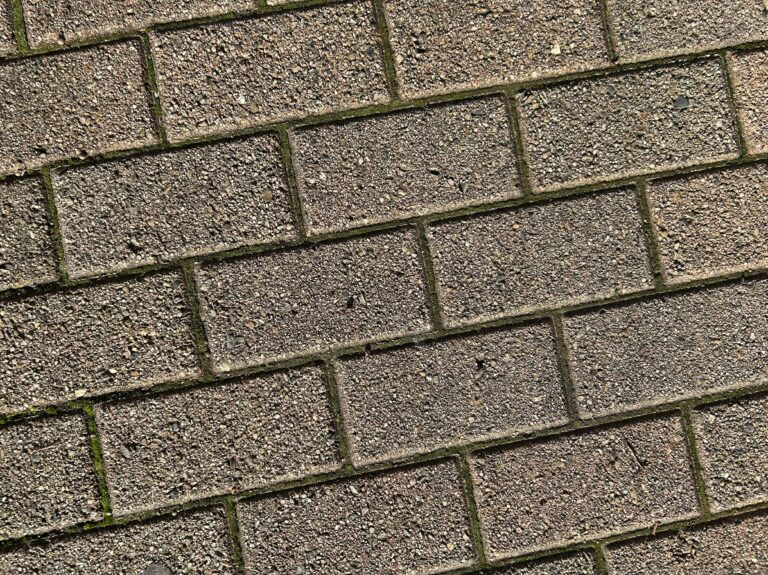
- Paver driveways can typically be used within hours of completion, though you may be asked to avoid the surface for 24 hours after the final sand application.
- Stamped concrete follows the same curing rules as standard concrete, with extra care needed to protect the decorative finish in the first week.
Your contractor should provide written care instructions. Common first-week guidance includes avoiding heavy loads, keeping the surface free of debris, and not using deicers or harsh chemicals.
Common questions homeowners ask
Do I need to be home during the installation? Not for the entire project, but you should be available on day one for the walkthrough and on the final day to inspect the finished work. Most contractors can work without you present once the scope is confirmed.
Will the work damage my lawn or landscaping? Some impact near the work zone is normal. Heavy equipment may compact soil, and dust is common. A good contractor will use plywood walkways to protect grass and tarp nearby plants. Discuss landscape protection during your initial estimate.
What about my garage door and entry? You will not be able to drive in or out of the garage during active work, and likely for several days after for concrete jobs. If you need garage access for a specific event or delivery, schedule the project around it.
Can I install during the rainy season? You can, but it’s not ideal. Rain delays pours, slows curing, and can affect quality. South Bay homeowners get the best results scheduling between April and October.
How do I know if my contractor is properly licensed in California? All hardscape and driveway contractors in California must hold an active C-8 (Concrete) or C-27 (Landscaping) license through the Contractors State License Board (CSLB). You can verify any license at cslb.ca.gov before signing a contract.
Final thoughts
A driveway is one of the longest-lasting investments you can make in your home — a quality paver or concrete driveway in the Bay Area can last 25 to 50 years with proper installation. Spending a couple of weeks on preparation pays off in a smoother project, fewer surprises, and a better finished result.
If you’re considering a driveway installation in the South Bay and want guidance specific to your home, Alexander & Sons has been serving Campbell, San Jose, and the surrounding area for years. Reach out for a free consultation and detailed estimate.
Welcome to the
Alexander & Sons Blog
From patios to driveways, your source for expert concrete and hardscape advice in Campbell, Los Gatos, Palo Alto, and beyond.