
Alexander & Sons Blog
Flagstone Patios: What Homeowners Should Know Before Installing One
A flagstone patio is one of the most timeless ways to upgrade an outdoor space. Known for its natural texture, durability, and unique character, flagstone has been used in outdoor design for generations.
If you’re considering a flagstone patio installation, it helps to understand how the material works, how it’s installed, and what to expect before starting your project.
What is flagstone?
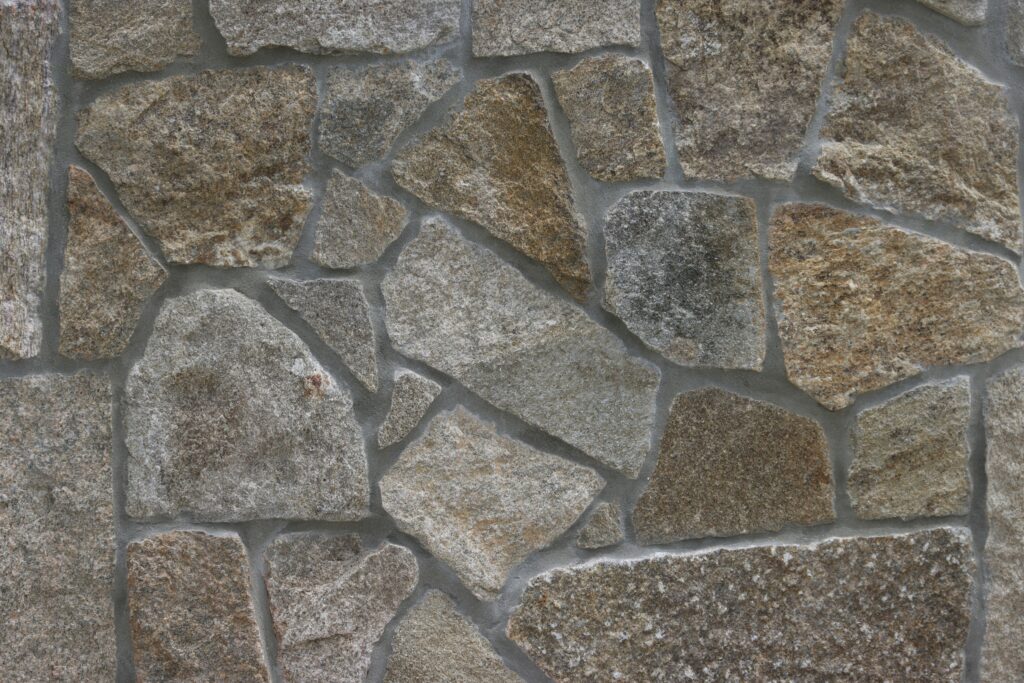
Flagstone is a natural stone that is split into flat pieces, making it ideal for patios, walkways, and outdoor living areas. Unlike manufactured pavers, each piece of flagstone has slightly different shapes, colors, and textures.
This natural variation is what gives flagstone patios their distinctive look. Instead of a uniform pattern, the stones create an organic layout that feels both natural and custom.
Common types of flagstone include sandstone, limestone, slate, and quartzite. Each type offers different colors and surface textures while maintaining the durability natural stone is known for.
Why homeowners choose flagstone patios
Many homeowners choose flagstone because it offers both durability and visual appeal.
Flagstone patios are known for their natural, high-end appearance and their ability to complement a wide range of home styles. Because the stone is naturally textured, it also provides good traction, making it practical for outdoor spaces.
When installed properly, a flagstone patio can last for decades and often ages beautifully over time.
How flagstone patios are installed
Installing a flagstone patio requires careful placement because each stone must be individually fitted into the design.
There are two common installation methods.
Dry-set installation involves placing the stones on a compacted base of gravel and sand. The joints are typically filled with sand or small gravel, creating a more natural look while allowing water to drain between the stones.
Mortar-set installation uses mortar over a concrete base to secure the stones. This method creates a cleaner, more structured patio surface and is often used for formal outdoor spaces.
An experienced contractor can help determine which method works best depending on the design, drainage, and layout of the project.
How much does a flagstone patio cost?
Natural stone patios generally cost more than standard pavers because the material itself is more expensive and the installation requires more craftsmanship.
Since each stone is unique, the installation process takes more time to properly fit and level the pieces.
While the upfront cost may be higher, many homeowners see flagstone as a long-term investment because of its durability and timeless appearance.
Flagstone patios can last for decades when installed correctly.
Why flagstone works well in the Bay Area
Flagstone is especially popular for outdoor spaces throughout the Bay Area because it performs well in the region’s climate and complements many architectural styles.
Homeowners in communities such as San Jose, Los Gatos, Campbell, and Saratoga often choose natural stone patios when designing outdoor entertaining areas or backyard upgrades.
Exploring natural stone options
If you’re considering a flagstone patio or another natural stone outdoor feature, seeing the materials in person can make the design process much easier.
Homeowners can explore natural stone options at the Alexander & Sons Showroom. The team at Alexander & Sons specializes in designing and installing natural stone patios, walkways, and outdoor living spaces throughout the South Bay.
Starting with the right materials and design approach can help ensure your outdoor space looks great and lasts for years to come.
Welcome to the
Alexander & Sons Blog
From patios to driveways, your source for expert concrete and hardscape advice in Campbell, Los Gatos, Palo Alto, and beyond.